.png)
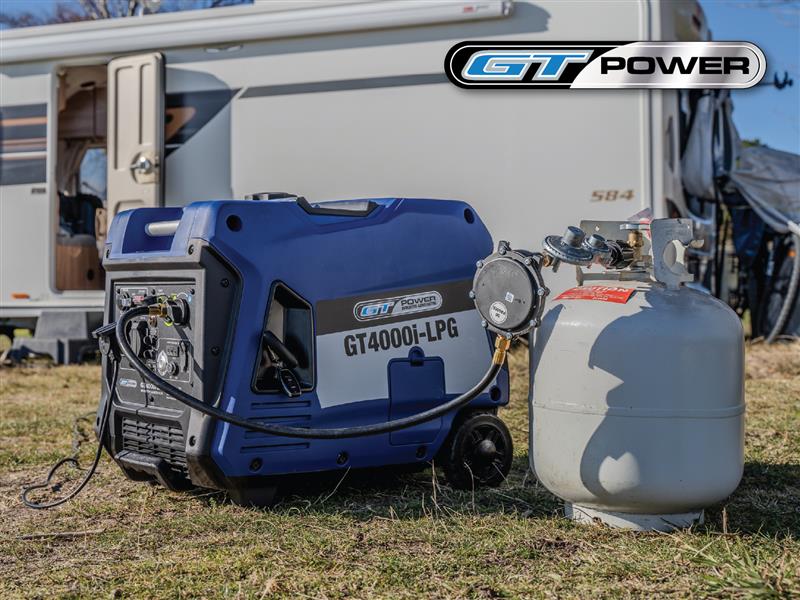
Regarding portable power in New Zealand's industrial and trade sectors, the choice of generator fuel can significantly impact performance and convenience. Generator Place South Pacific, known for supplying rugged and efficient equipment, often fields questions about whether Liquefied Petroleum Gas (LPG) or petrol fuel is the better option for generators. Each has unique benefits: LPG generators are known for cleaner emissions, quieter operation, and long-term fuel storage, while petrol generators often provide higher energy density and a lower initial cost. This article explores key considerations in selecting between LPG and petrol generators, highlighting two models from GT Power: the GT4000i-LPG and the GT6000ESi.
What Are LPG and Fuel Generators?
LPG generators run on liquefied petroleum gas, typically propane or a propane-butane mix. The fuel is stored in external cylinders connected to the generator. These generators burn cleaner than petrol models and are often quieter due to smoother combustion. One key advantage of LPG is that it does not degrade over time, making it ideal for emergency backup systems that may sit idle for months.
Fuel generators, in contrast, use petrol or diesel stored in built-in tanks. These are popular for mobile trades and workshops due to their portability and widespread fuel availability. However, petrol can go stale within a few months, leading to gum deposits in the fuel system if not treated or rotated regularly.
Key Factors to Consider When Choosing a Generator
Fuel Availability and Storage
Petrol is readily available at most service stations and is easy to refill. LPG cylinders are accessible at gas depots and some service stations. They offer an indefinite shelf life, making them ideal for standby applications.
Power Output and Efficiency
Petrol generally contains more energy per litre than LPG, leading to higher power output and efficiency. However, dual-fuel generators like the GT Power GT4000i-LPG are designed to mitigate this difference, offering a maximum output of 4000w on petrol and 3600W on LPG.
Initial Cost and Running Costs
Petrol generators usually cost less upfront, but LPG often has a lower and more stable price per energy unit in New Zealand. LPG may offer better fuel economy and reduced maintenance costs for long-term use.
Maintenance Requirements
LPG burns cleaner, reducing carbon deposits in the engine and lowering maintenance frequency. Petrol generators require more regular servicing, especially if stored for long periods.
Noise and Emissions
LPG generators typically operate more quietly and produce fewer harmful emissions than petrol models. This makes them suitable for indoor use (with ventilation) and in environmentally sensitive areas.
Comparing LPG vs Petrol Generators
Efficiency
Petrol offers greater energy density, meaning more runtime per litre. However, inverter technology in modern generators has narrowed this efficiency gap, with both fuels now providing effective performance for various applications.
Cost
While petrol generators are cheaper to purchase, the running costs over time may be higher due to fuel price volatility and additional maintenance. LPG provides a cleaner burn and may result in cost savings over the generator's lifespan.
Emissions
LPG produces significantly fewer pollutants, including carbon monoxide and nitrogen oxides. This makes it the better choice for indoor and eco-conscious use.
Use Cases: Trades, Workshops, and Off-Grid Power
Mobile Trades and Construction Sites
Tradespeople need portable, dependable power. Petrol generators are convenient due to built-in tanks, but LPG units like the GT4000i-LPG offer lower noise and cleaner emissions. Dual-fuel capability means switching between fuels based on availability.
Workshops and Backup Power
LPG is ideal for backup power in workshops and industrial settings due to its long shelf life and low maintenance. A dual-fuel model allows flexibility depending on use frequency and fuel availability.
Off-Grid Applications
Off-grid homes and remote sites benefit from LPG's clean burn and safe long-term storage. If petrol is more accessible, having a dual-fuel generator ensures backup reliability in all scenarios.
Spotlight Product: GT Power GT4000i-LPG Inverter Generator
The GT Power GT4000i-LPG delivers 4000W of clean, inverter-based power and can run on either petrol or LPG. Key features include:
- Dual-Fuel Operation: Offers flexibility and convenience.
- Electric Start and Remote Control: Simplifies operation in emergencies.
- Pure Sine Wave Output: Safe for sensitive electronics and workshop tools.
- Compact and Portable: Easy to transport and store.
- Quiet Operation: Ideal for use in residential and workshop environments.
This unit is well-suited for tradespeople, off-grid homeowners, and anyone needing reliable, adaptable power.
Spotlight Product: GT Power GT6000ESi Inverter Generator
The GT Power GT6000ESi provides 6000W of stable, inverter-quality power for users needing higher output. It features:
- Electric Start: Reliable ignition at the push of a button.
- High Capacity: Suitable for larger equipment and multiple loads.
- Pure Sine Wave Technology: Safe for electronic devices.
- Portability: Easy to move despite its size.
It is ideal for workshops with high power demands, off-grid systems, or as a whole-site backup unit.
Extended Guidance for Buyers
When selecting between LPG and petrol generators, thinking beyond immediate power needs and considering operational context is essential. LPG generators offer a dependable backup for businesses operating in areas prone to natural events like storms or earthquakes due to their long-term fuel viability. Furthermore, LPG is often the preferred choice for environmentally regulated job sites or eco-conscious operators, thanks to its lower emissions profile.
Petrol generators, while noisier and requiring more frequent maintenance, still hold a place in mobile trades where on-the-go refuelling is crucial. Those managing remote operations without fixed infrastructure may find petrol generators easier to manage logistically, especially when LPG refilling services are not readily available. Meanwhile, professionals who seek a hybrid approach will find dual-fuel models to be a valuable investment in resilience, with the ability to pivot between fuels based on cost, location, and usage intensity.
Also worth noting is the shift toward cleaner energy solutions across industries. Businesses looking to align with ESG goals or reduce carbon emissions may gain reputational and operational benefits by integrating LPG-powered solutions. Moreover, incorporating inverter generators like those from GT Power ensures consistent, stable electricity output, which is essential for today's electronics-heavy operations.
Before purchasing, consider evaluating your average energy draw, peak load requirements, fuel storage capacity, and proximity to fuel sources. Investing in the right generator now ensures continuity of operations and long-term savings.
Another factor worth considering for industries working in remote or fluctuating environments is adaptability to future energy trends. As hybrid systems combining solar, battery storage, and inverter generators become more mainstream, choosing a generator that can interface smoothly with automatic transfer switches or hybrid controllers will enhance operational efficiency. The GT4000i-LPG and GT6000ESi support modern integration features that prepare them for evolving energy infrastructures. These capabilities can improve workflow continuity, reduce operational costs, and support long-term scalability.
Additionally, generator users should consider fuel safety, especially in confined or highly mobile settings. As sealed cylinders state, LPG is often considered safer for transport and storage than petrol, which is more volatile and flammable in open-air handling. This can be a significant safety benefit for mobile technicians and remote work teams and reduce compliance complexity. LPG systems offer performance and peace of mind when used appropriately with ventilation and safety protocols.
In the context of future-proofing operations, generator models with built-in innovative diagnostics or remote monitoring capabilities are also becoming more common. These features enable users to track performance data, fuel consumption, and maintenance schedules in real time, enhancing the overall efficiency and lifespan of the generator. While these advanced options may carry a higher upfront cost, the return on investment becomes evident through fewer disruptions, reduced downtime, and a longer operational life cycle. Such innovative features are worth considering for businesses integrating generators into a broader energy management system.
Final Considerations
Choose an LPG generator if you prioritise long-term storage, quieter operation, and lower emissions. Go for petrol if you need a lower upfront cost and maximum portability. A dual-fuel generator, like the GT4000i-LPG, offers the best of both worlds, allowing users to adapt to varying fuel availability and job requirements.
When greater power is needed, the GT6000ESi is a solid choice for more demanding applications. Both models are available through Generator Place South Pacific and represent dependable options tailored to the needs of New Zealand trades and industrial users.
Power reliability is vital for every workshop, job site, and off-grid project. Whether preparing for outages or setting up tools in the field, the right generator makes all the difference. Explore the full range of durable inverter generators, including the GT Power GT4000i-LPG and GT6000ESi. Order now or speak with our expert team to find a power solution that works for your business.





.png "Logo of Generator Shop")
