.png)
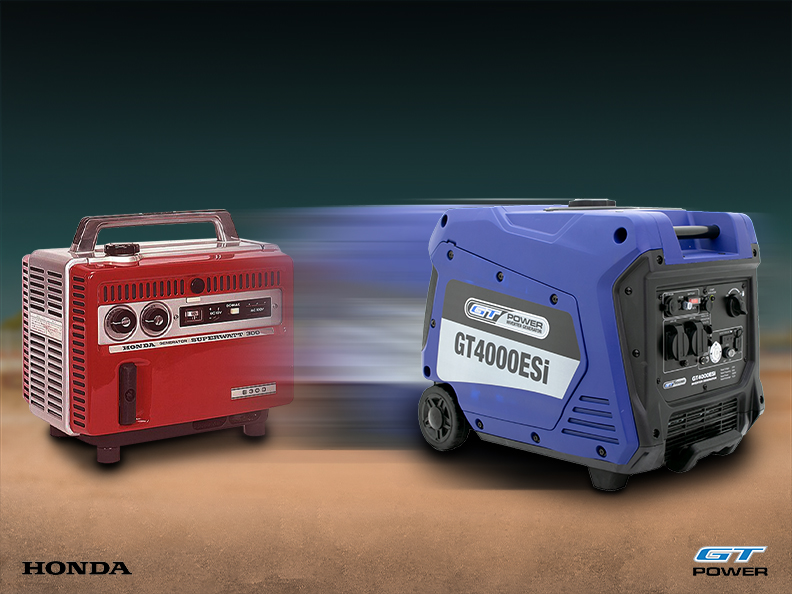
Inverter generators have become essential for those needing reliable power on job sites, in workshops, or in the field. Unlike traditional portable generators, inverter generators produce cleaner, more stable electricity and are typically more compact and fuel-efficient. This makes them particularly useful for professionals such as welders, engineers, and tradespeople who depend on sensitive tools and electronics. Before investing in one, it's essential to understand what an inverter generator is, how it works, its advantages for industrial use, and how to choose and maintain the right unit.
What Is an Inverter Generator?
An inverter generator is a portable power solution that uses electronic circuitry to deliver high-quality electrical output. Unlike conventional models that directly produce alternating current (AC), inverter generators convert AC to direct current (DC) and back to stable AC power through an internal inverter module. This process produces a smooth sine wave output with consistent voltage and low harmonic distortion.
In simple terms, inverter generators clean the power they generate, eliminating surges and fluctuations. This makes them ideal for operating sensitive electronics, such as laptops, control panels on welding machines, battery chargers, and diagnostic tools, all of which can be damaged by unstable electricity.
Inverter generators are also known for their quiet operation and efficient fuel use. Most models come in enclosed cases with sound-dampening materials and throttle controls that adjust the engine speed based on load. For users in industrial settings, this means dependable power that's quieter and less disruptive than traditional open-frame generators.
How Do Inverter Generators Work Differently?
The main difference between inverters and conventional generators is how they manage electrical output and engine speed. Conventional generators operate at a fixed engine speed to maintain frequency, typically around 3000 RPM for 50Hz power. Regardless of the power needed, the engine runs at full speed, leading to unnecessary fuel consumption and higher noise levels.
In contrast, inverter generators can adjust engine speed according to power demand. The engine can idle at a lower speed when only a small load is applied, such as a light or a battery charger. When heavier tools are used, the engine ramps up automatically. This variable-speed operation improves fuel efficiency, reduces emissions, and decreases wear and tear on engine components.
Due to the power being processed through a digital inverter, these generators deliver consistent output voltage and frequency. With minimal total harmonic distortion (THD), often below 5%, they are safe for microprocessor-based devices and power tools requiring stable electricity.
Key Benefits for Workshops and Industrial Use
Inverter generators provide a range of practical advantages for industrial and workshop environments:
Clean, Stable Power
Inverter generators produce a high-quality sine wave with low distortion, making them safe for modern tools and electronics. They protect sensitive circuits from voltage spikes, keeping diagnostic instruments, inverter welders, and calibration equipment running accurately and reliably.
Fuel Efficiency
With innovative throttle systems that match engine speed to load, inverter generators use fuel more efficiently. This translates to reduced operating costs and longer runtime per tank, which is especially beneficial during long shifts or remote jobs with limited refuelling options.
Quiet Operation
The enclosed casing and lower engine speeds contribute to quieter performance. This is helpful for workplace comfort and jobs carried out in residential or noise-sensitive areas. A quieter generator can improve communication, concentration, and overall worksite safety.
Portability and Compact Design
Inverter generators are often lighter and more compact than traditional models with similar output. Many features carry handles or wheel kits, making them easy to move between job sites or within a large workshop. This level of portability is significant for tradespeople who work out of vehicles or need to navigate stairs or confined spaces.
Responsive Power Output
Inverter technology allows the generator to respond rapidly to changing load demands. For instance, when a high-draw tool starts, the inverter generator quickly adjusts to provide the necessary power without delay or interruption.
Parallel Capability
Some models offer parallel connectivity, connecting two units for greater power output. This modular flexibility allows users to scale up without investing in a larger single unit.
Practical Applications in Industrial Settings
Welding and Fabrication
Welders often work in environments where mains power isn't available. A portable inverter generator can provide the stable electricity needed for inverter welders, MIG and TIG machines, and ancillary tools like grinders and lighting. The smooth power delivery ensures a consistent welding arc and protects the sensitive electronics in the welding unit.
Workshops and Backup Power
Inverter generators are reliable backup power sources in workshops or small manufacturing facilities. In a power outage, they can keep lights, computers, test instruments, and CNC machinery operational without damaging control systems or corrupting data.
Construction and Mobile Trades
Builders, electricians, and plumbers frequently use inverter generators to power saws, drills, compressors, and lighting on sites without established power. The compact size and clever fuel use make inverter units ideal for loading into a van or ute and quickly setting up temporary workstations. Their quiet operation is beneficial for interior renovations or client-facing projects.
Choosing the Right Inverter Generator
Before making a purchase, consider the following factors to ensure you select the correct model:
1. Power Output (Watts/kVA)
Calculate the combined wattage of all devices you plan to run. Ensure the generator's continuous output (not just peak output) meets or exceeds this requirement. Allow a margin for startup surges, especially if running power tools or motors.
2. Portability and Weight
Assess how often and how far you'll need to move the generator. Smaller units are easier to carry solo, while larger units may need built-in wheels. Weight is essential when lifting the unit into vehicles or carrying it upstairs.
3. Runtime and Fuel Tank Size
Check how long the generator can run at 50% load. A larger fuel tank may extend runtime, but a more efficient engine with eco-mode can offer similar benefits. Choose based on how long your work cycles are and how often refuelling is practical.
4. Features and Convenience
Look for practical features like:
- Push-button or key start
- Digital display for load and runtime
- Multiple outlets (230V sockets, USB ports, etc.)
- Fuel gauge and low-oil shutdown
- Smart throttle or eco-mode
These extras contribute to ease of use and efficiency, particularly in demanding environments.
5. Durability and Build Quality
A sturdy frame, strong handles, and weather resistance are critical for outdoor or workshop use. Engines from reliable brands and units with a proven track record in the field should be prioritised. Always check warranty coverage and local service availability.
6. Noise Level
Pay attention to noise ratings, which are usually measured in decibels (dB) at a standard distance. Lower numbers indicate quieter operation. If you'll be working indoors or near others, a silent generator is more than a convenience—it's a necessity.
GT Power GT4800Ei Inverter Generator
One inverter generator well-suited for professional use is the GT Power GT4800Ei. It delivers a peak output of 4600W and a continuous output of 4200W, which is enough for a range of tools and equipment used in workshops and construction sites.
Key features of the GT4800Ei include:
- Electric start with backup recoil option
- Smart throttle for improved fuel economy
- Digital control panel for easy monitoring
- Twin 230V outlets and USB ports
- Portable design at just 39.5 kg
- 4-stroke OHV engine for long-term durability
With its efficient engine and convenient features, the GT4800Ei is an excellent choice for tradespeople needing a robust yet mobile power solution.
Tips for Operation and Maintenance
To ensure your inverter generator performs reliably, follow these key maintenance and usage tips:
- Start and stop with no load – Always disconnect appliances before starting or shutting down the generator to avoid power surges.
- Change oil and filters regularly—Follow the service schedule, which typically requires an oil change after the first 20 hours and then every 50 to 100 hours. Clean or replace the air filter as needed.
- Inspect the spark plug – Replace annually or as needed to maintain efficient starting and combustion.
- Use fresh fuel—old petrol can cause starting issues. If storing fuel, use a stabiliser. If storing the generator, drain the carburettor to avoid blockages.
- Run the generator regularly – If used only occasionally, run it for 20–30 minutes under load monthly to keep the engine lubricated and battery charged (if equipped with an electric start).
- Keep it clean and dry – Wipe down surfaces, check vents for obstructions, and store the generator in a cool, dry place. Use weather protection if operating outdoors.
- Schedule inspections – Regularly check bolts, fuel lines, and cables. Keep the generator well-ventilated and ensure all safety features are functioning correctly.
Inverter generators offer a combination of power stability, fuel efficiency, portability, and quiet operation, making them the ideal choice for industrial professionals across New Zealand. Whether welding on-site, powering tools in a workshop or ensuring your business stays operational during outages, an inverter generator provides the reliability and performance you need.
Models like the GT4800Ei demonstrate how today's generators are built with both capability and convenience in mind. By properly selecting and maintaining the right unit, you can ensure a consistent, efficient power supply that supports your tools, equipment, and business success.
Generator Place South Pacific offers a selection of inverter generators for various applications. The team can help you choose the right model for your needs and equip your site with reliable power.





.png "Logo of Generator Shop")
